




BRICK AND BLOCK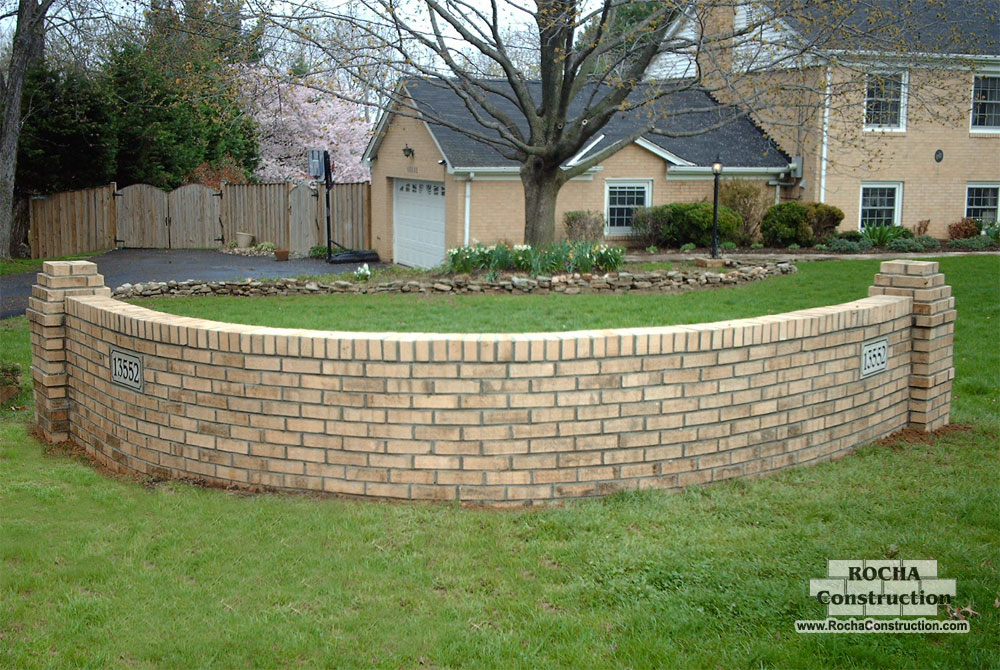
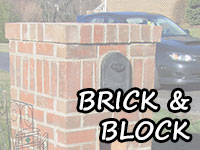
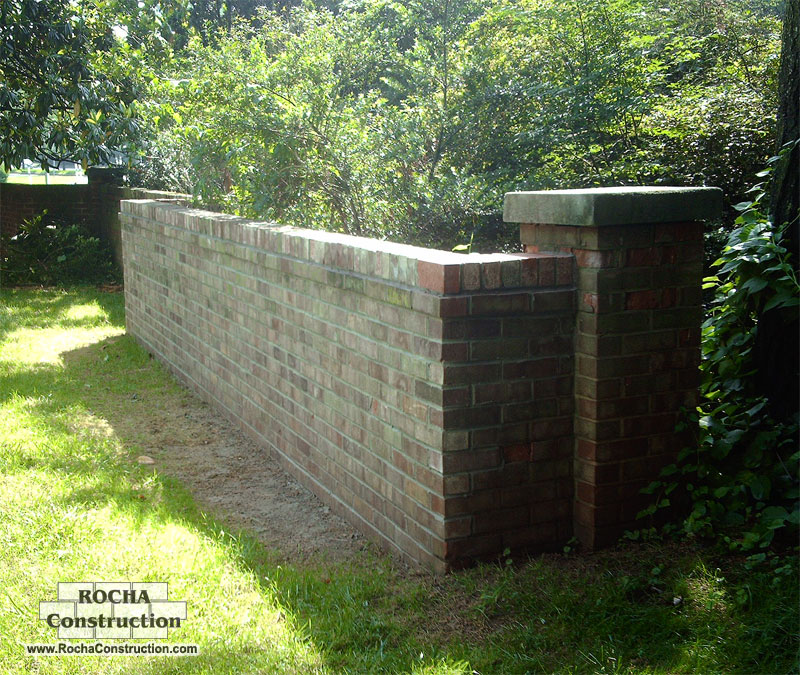
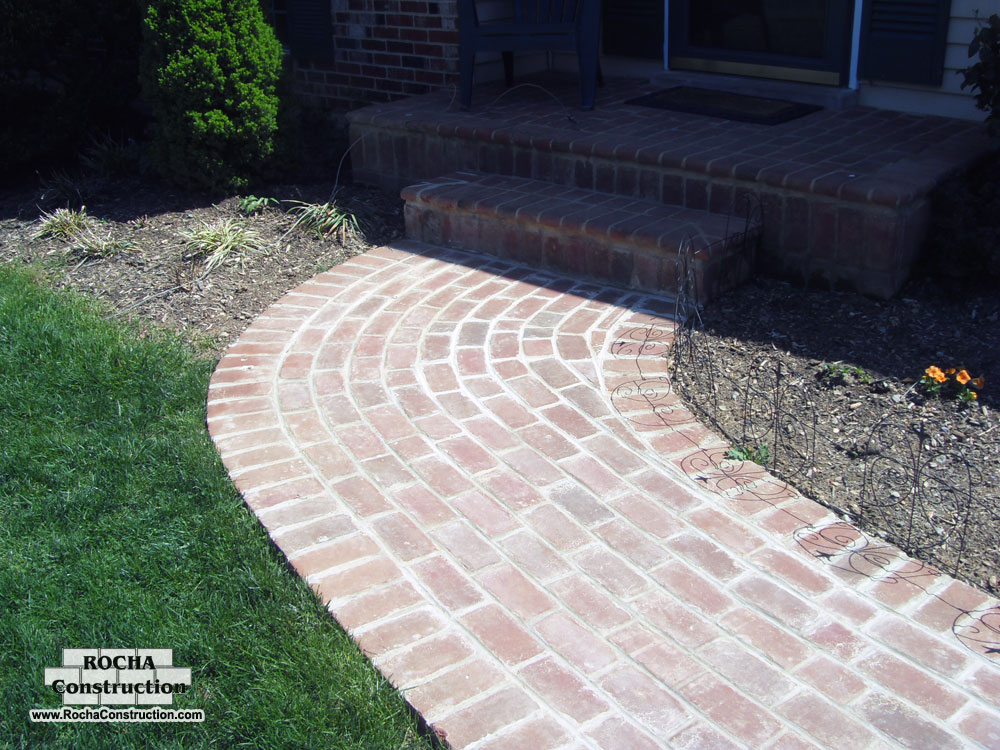
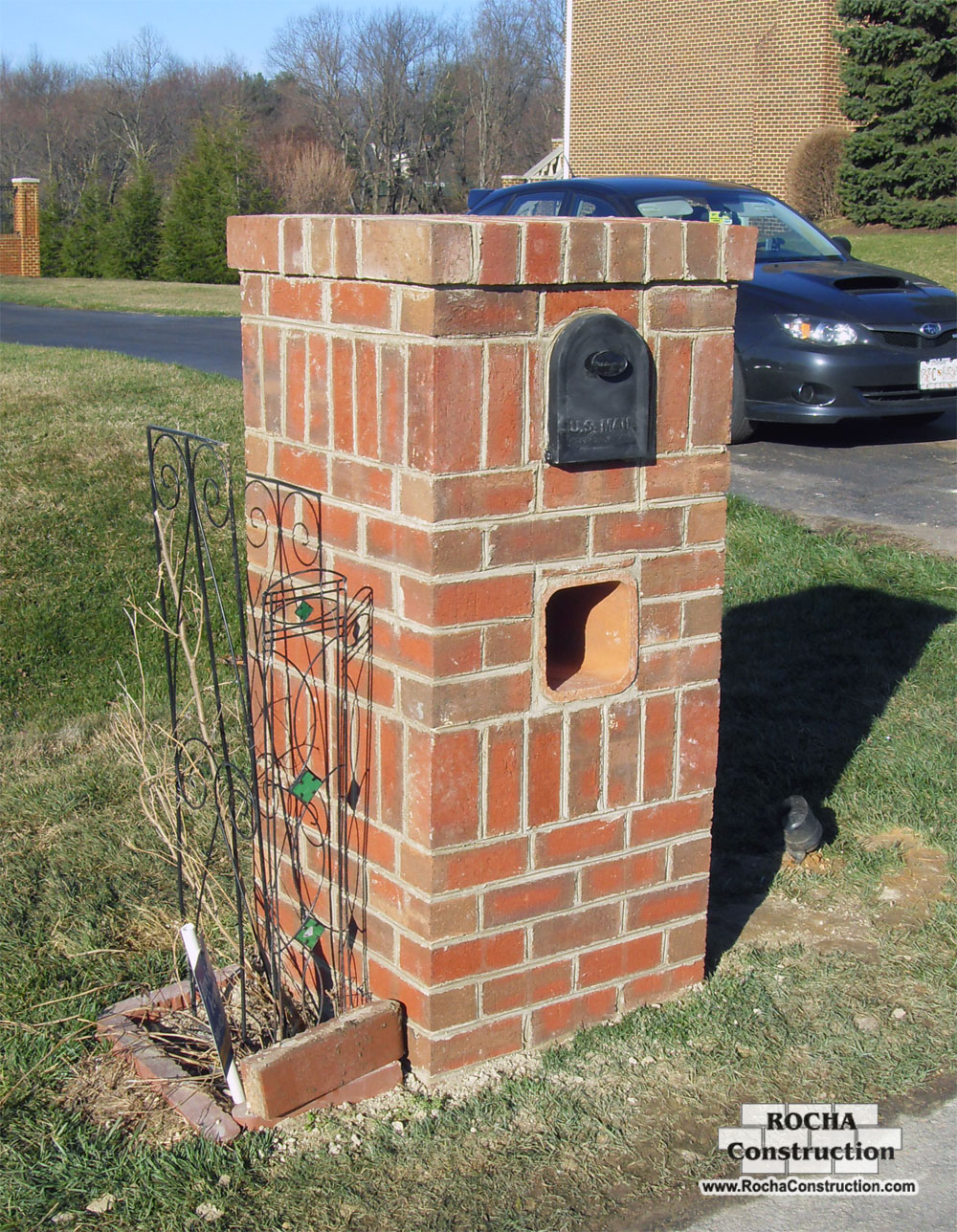
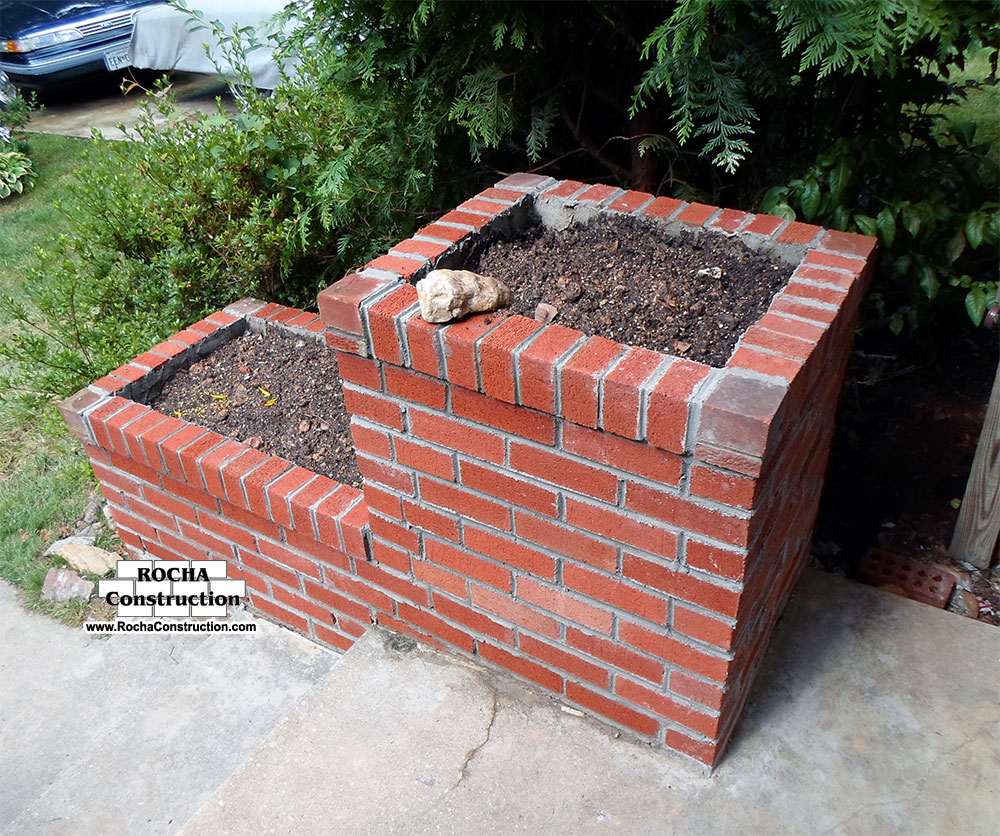
Brick walls and concrete block walls are some of the most durable and versatile materials used in residential and commercial construction in Montgomery County and across Maryland. While many homes in the region appear to be wood-sided, a significant number of houses rely on concrete or block foundation walls covered with brick veneer for added strength, insulation, and timeless aesthetic appeal. Brick and block are not limited to foundations. Brick walls are frequently used for decorative elements, privacy fences, garden enclosures, and accent features, while concrete block walls are a go-to choice for retaining walls, commercial buildings, and structural applications where durability is key. Properly installed, these materials can withstand Maryland’s seasonal weather, including freeze-thaw cycles, heavy rain, and heat fluctuations. 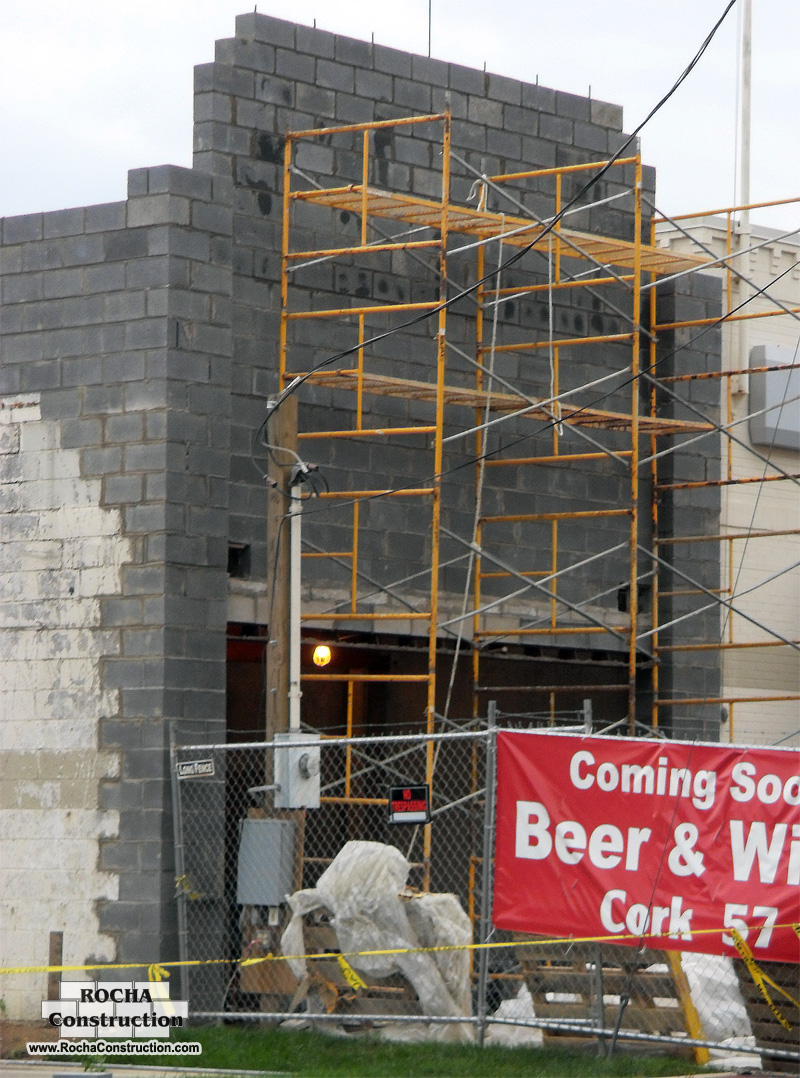
When it comes to commercial construction, brick and block remain a cornerstone. Most office buildings, retail centers, and multi-family units in Maryland incorporate concrete blocks, brick facades, and steel frameworks to ensure structural integrity and long-term durability. These materials provide not only strength but also fire resistance, sound insulation, and minimal maintenance. One of the main challenges of brick and block installation is maintaining perfectly aligned, plumb walls. Without professional experience, it’s easy to end up with crooked or uneven walls that compromise both appearance and stability. That’s why proper layout, leveling, and mortar application are essential for every wall project, from residential fences to commercial retaining walls. At Rocha Construction, we specialize in building and repairing brick walls and block walls for homes and businesses throughout Montgomery County and Maryland. Our services include:
We ensure that every project is built to last, using high-quality materials, reinforced mortar, and precise craftsmanship. Whether you need a new wall, a repair, or a custom brick or block feature, our team provides free estimates and expert advice to help you achieve a durable, aesthetically pleasing result. Contact Rocha Construction today for all your brick and block wall needs in Montgomery County and throughout Maryland. Let us help you enhance your property’s value, functionality, and curb appeal with professional masonry work you can trust. |
|
- GALLERY - It is NOT allowed to use our pictures without our written consent. |
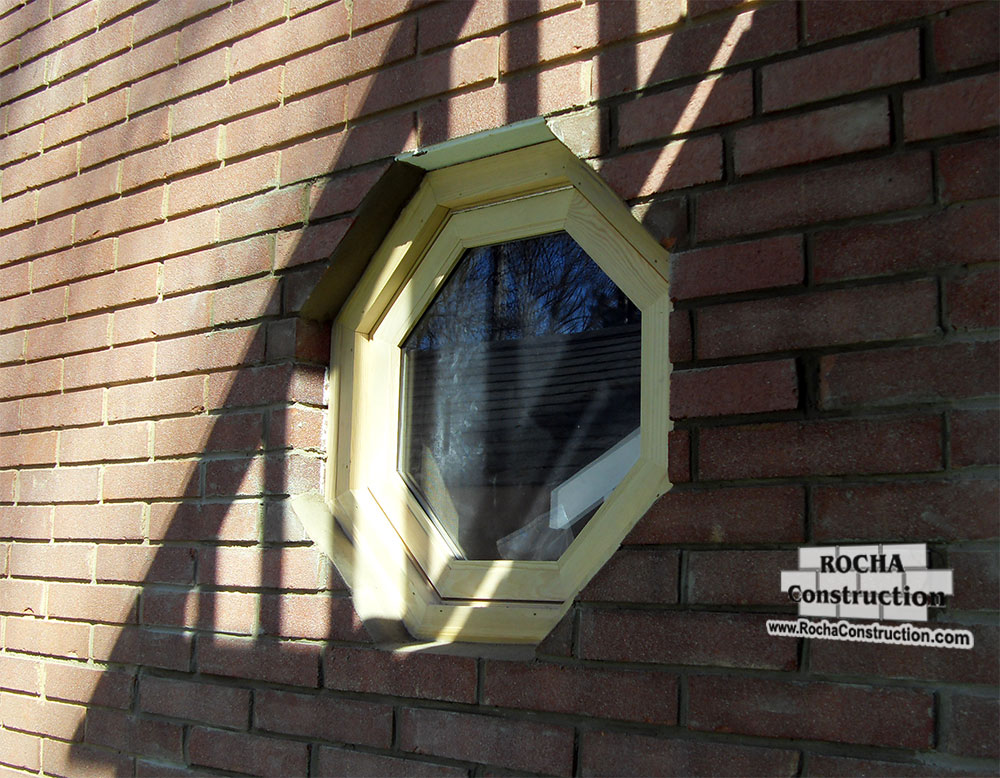
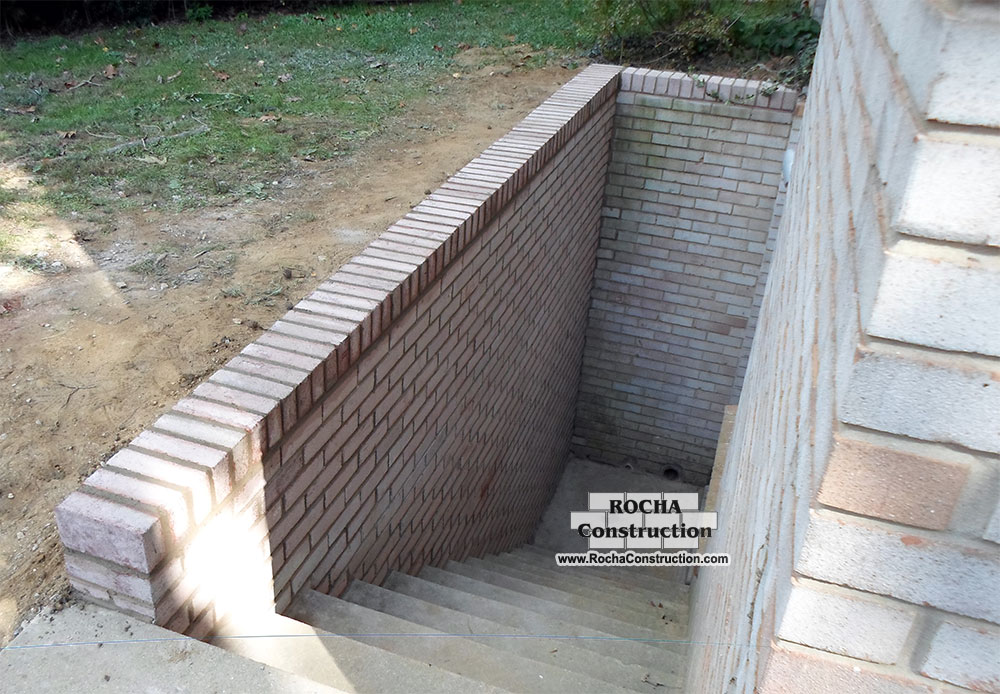
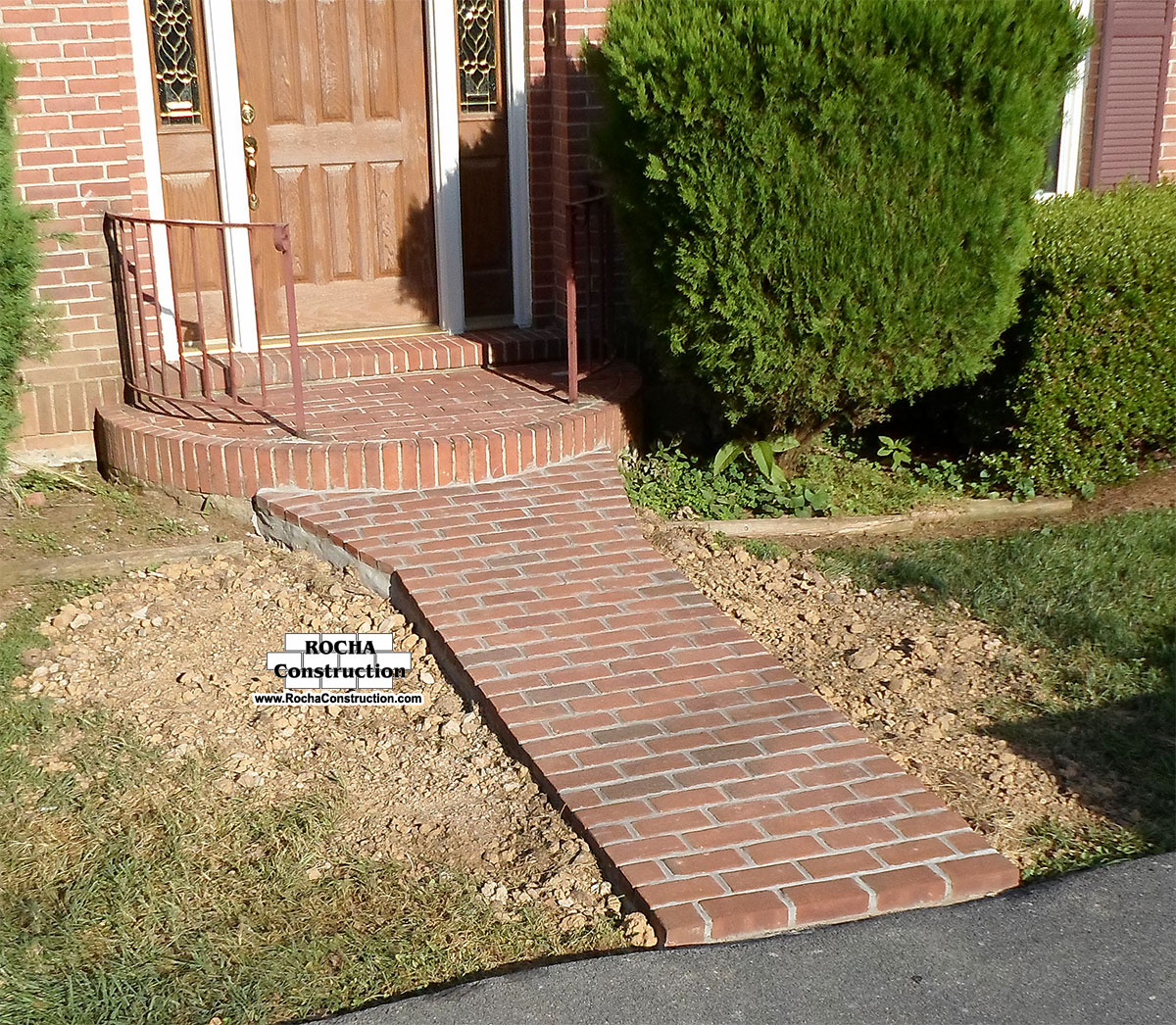
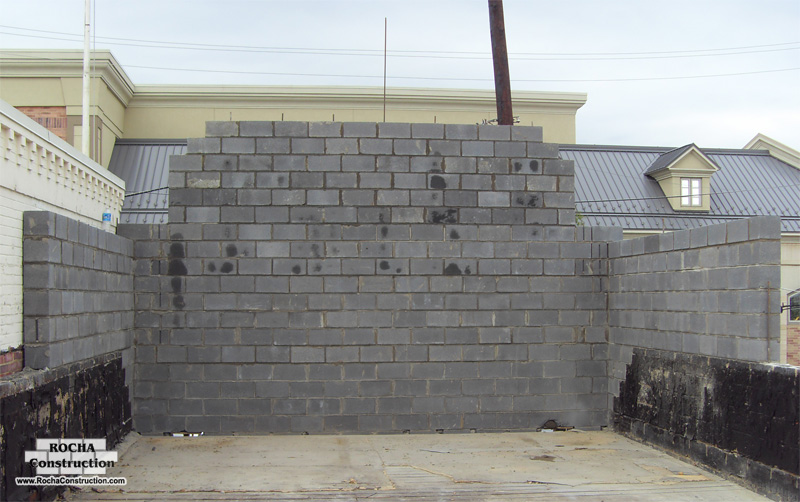
|
It is NOT allowed to use our pictures without our written consent. |
Brick and Concrete Block CMU FAQ1. What is the difference between brick and concrete block CMU? Brick is typically made from fired clay and is often used for exterior finishes and decorative construction, while concrete block, also known as CMU, is made from cement and aggregates and is commonly used for structural walls and foundations. 2. What does CMU stand for? CMU stands for Concrete Masonry Unit, which refers to standardized concrete blocks used in construction for walls, foundations, and structural systems. 3. Are brick and CMU walls strong? Yes, both brick and CMU walls are strong and durable. CMU is often used for load bearing structures, while brick is frequently used as a structural or veneer material depending on the design. 4. Are brick and concrete block fire resistant? Yes, both materials are non combustible and provide excellent fire resistance, making them a safe choice for residential and commercial buildings. 5. Can brick or CMU be used for foundations? Concrete block CMU is commonly used for foundation walls due to its strength and durability. Brick is typically used above grade or as a veneer rather than for foundation construction. 6. Do brick and CMU require reinforcement? CMU walls can be reinforced with steel rebar and grout for additional strength. Brick walls may also use reinforcement depending on structural requirements and local building codes. 7. Are brick and concrete block energy efficient? Both materials provide thermal mass, which helps regulate indoor temperatures. Insulation can be added within or alongside CMU walls to improve overall energy efficiency. 8. Do brick and CMU require maintenance? Maintenance is minimal but may include occasional cleaning, mortar joint inspection, and tuckpointing if mortar begins to deteriorate over time. 9. Can brick or CMU be finished or covered? Yes, CMU walls can be finished with stucco, paint, stone veneer, or other cladding. Brick can also be sealed or painted depending on the desired appearance. 10. Are brick and concrete block long lasting? Yes, both brick and CMU are highly durable materials that can last for decades when properly constructed and maintained. |