


PLANTER WALLS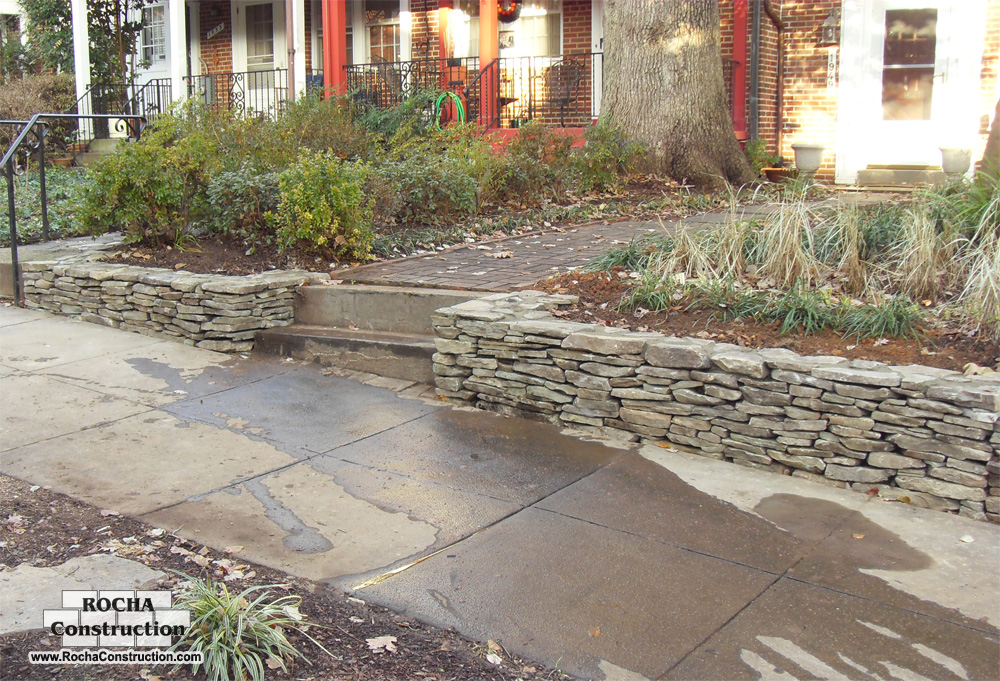
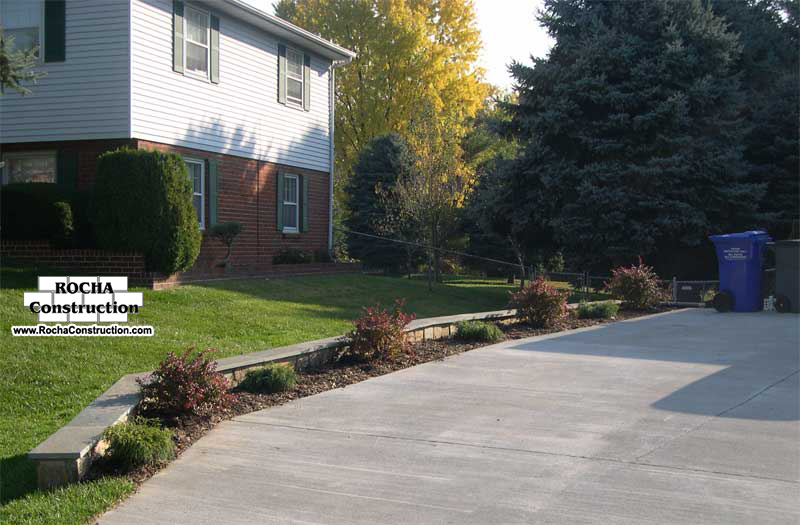
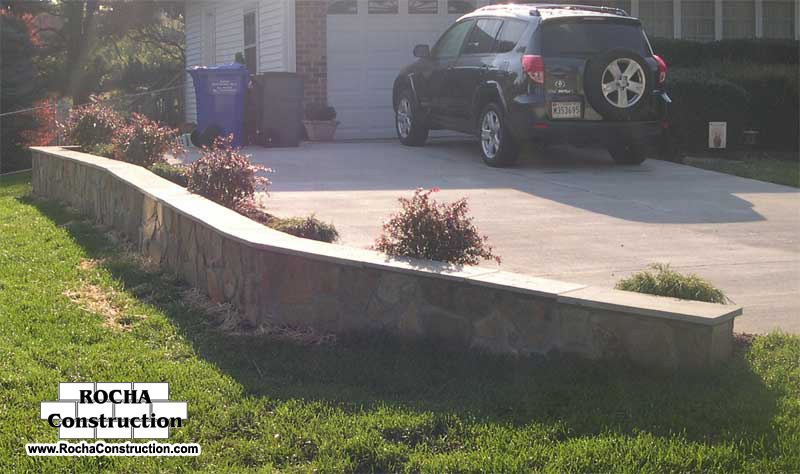
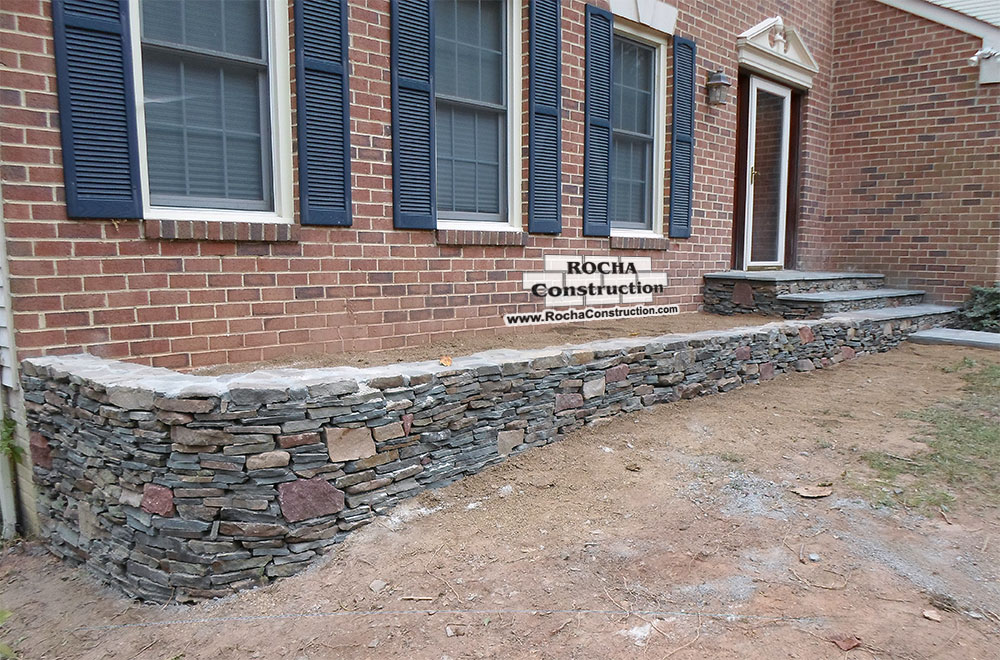
Planter Walls or Garden Walls are small walls created to enclose an area to hold flowers and plants. There are many materials (like stone, brick or wood) that can be used to create them, and each one will fit a determined design and look. These main point on their installation is that these walls are not supposed to hold a lot of weight, so their footers and specifications are not too tough. Moreover, since they are relatively short in height, they do not require any type of permit from the county. They are a nice DIY project. The easiest one being the dry stack installation of flat mountain stones. To do this project, go to your stone supplier and ask them to deliver a pallet or two of flat mountain stones. Once at home, just dig a 4" to 6" trench and start stacking stones one on top of each other! (Make it a double row of stones for extra strenght). If you need help, remember that we are one of the best stone contractors on the area! We offer free estimates for all Montgomery County, Maryland!! |
|
- GALLERY - It is NOT allowed to use our pictures without our written consent. |

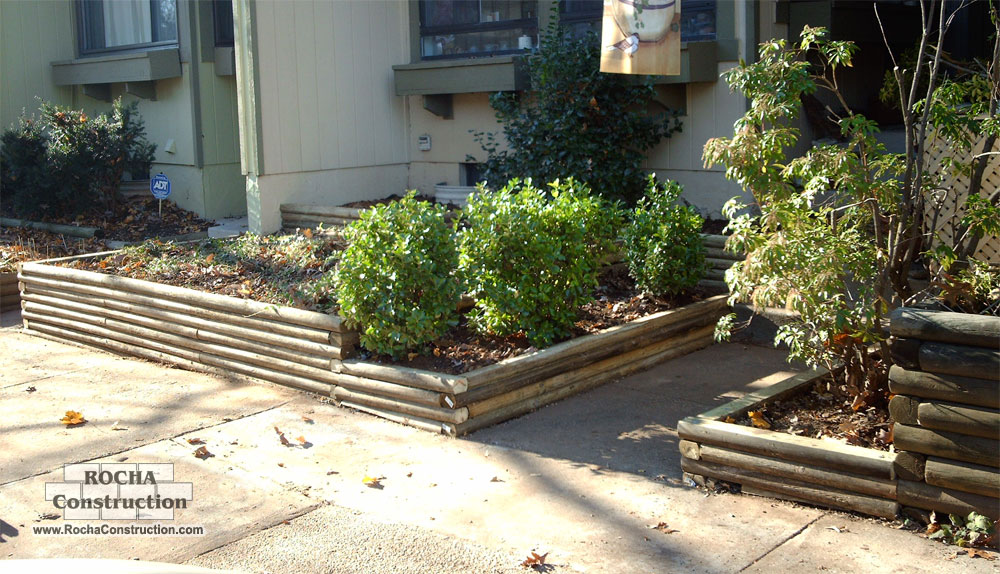
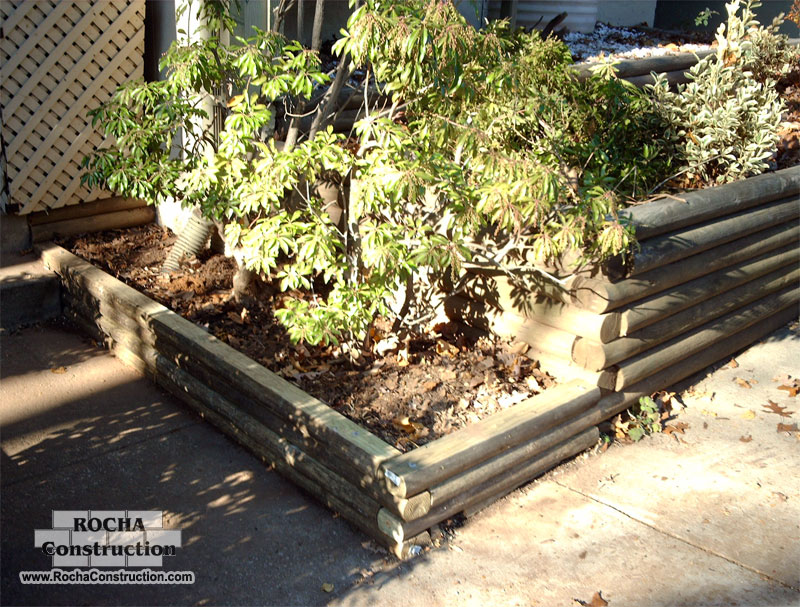

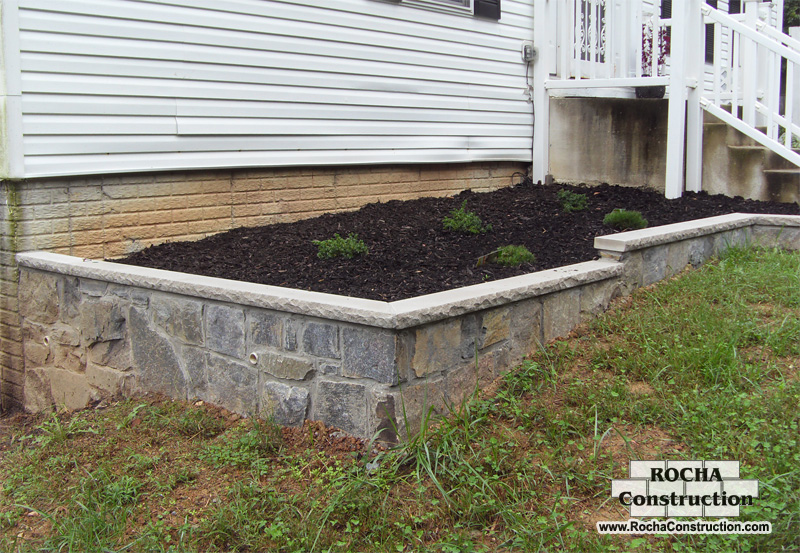
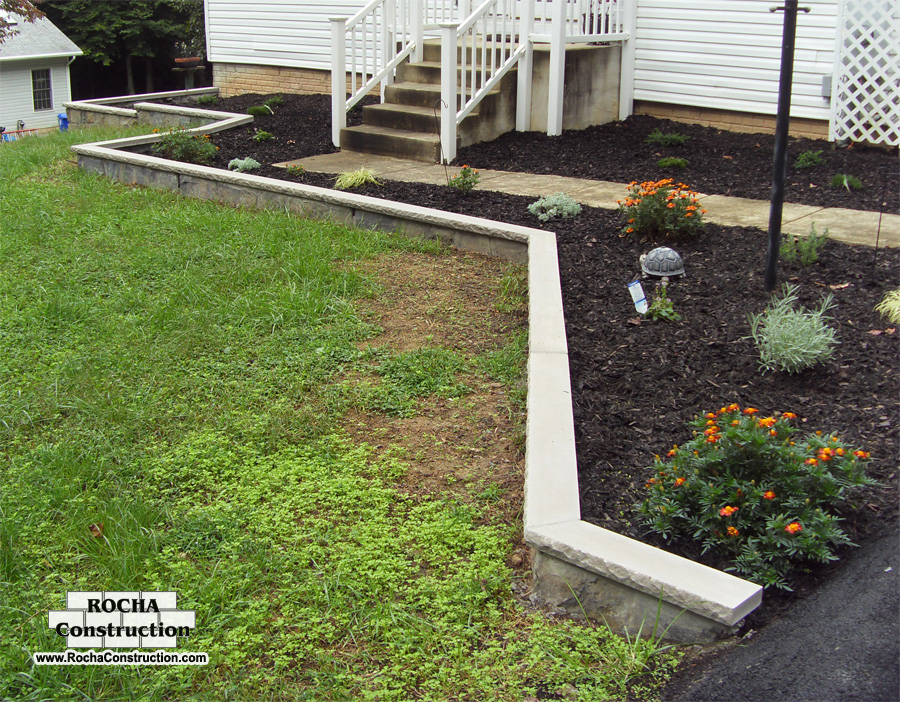

|
It is NOT allowed to use our pictures without our written consent. |
Planter Walls and Garden Walls FAQ1. What is a planter wall? A planter wall is a low wall structure built to contain soil and plants while adding definition and structure to landscaping areas. 2. What materials are used for garden walls? Garden walls can be constructed using natural stone, brick, concrete block, or interlocking retaining wall systems. 3. How tall can a planter wall be? Most planter walls are built between 12 and 36 inches tall, depending on design and whether structural reinforcement is required. 4. Do planter walls require drainage? Yes, proper drainage such as gravel backfill and weep holes helps prevent water buildup and protects the wall from damage. 5. Are garden walls structural? Some garden walls are decorative, while others may function as low retaining walls that require proper base preparation and engineering. 6. Can planter walls be built in curved designs? Yes, stone, brick, and interlocking block systems can be installed in both straight and curved layouts to complement landscaping designs. 7. Do interlocking block walls require mortar? Most interlocking block systems are designed to be installed without mortar, relying on weight and design for stability. 8. Are stone garden walls durable? Natural stone walls are highly durable and weather resistant, making them a long lasting option for outdoor landscaping features. 9. Can lighting be added to planter walls? Yes, landscape lighting can be integrated into garden walls to highlight plants and improve nighttime visibility. 10. Do planter walls increase curb appeal? Well designed planter and garden walls enhance visual interest and create organized planting areas that improve overall curb appeal. |