



BRICK STEPS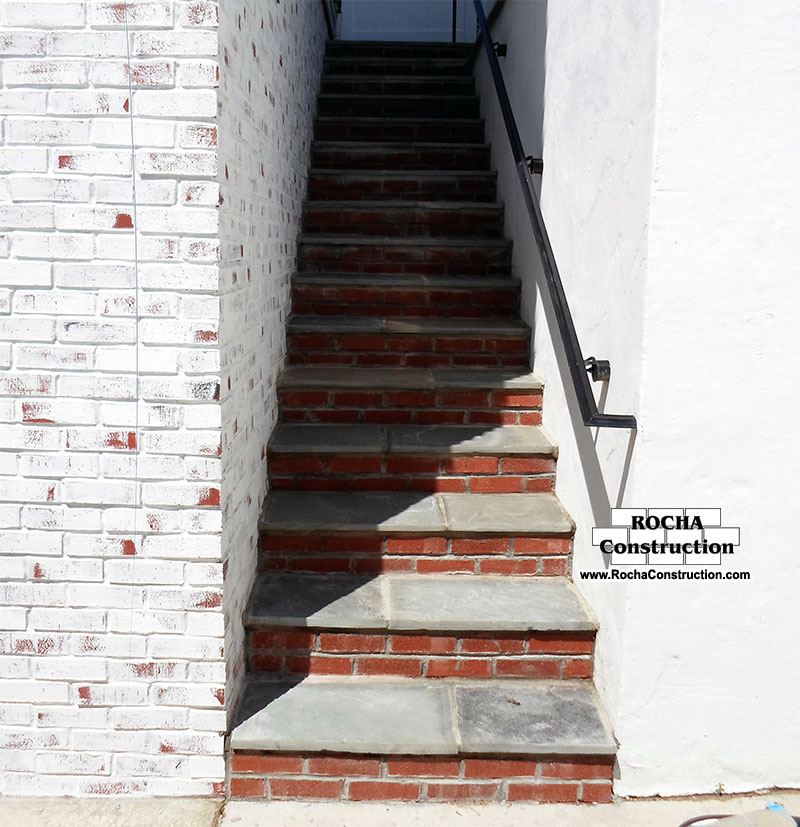
Brick is a material used a lot to create steps on areas like tanhouses or HOA's. This is done to differenciate one neighbor from the other thanks to the color and size options of the bricks themselves. Brick steps are rather durable and easy to fix. Its a middle ground between the more economical concrete and the more expensive stone steps. This material can be used not only to build new set of steps, but also to cover old existing concrete steps that might be in need of repair or complete overhaul. Whatever the need, there is always a brick that can fit your preference. This is not a recomended DIY project... So, if you need a professional stone contractor to help you install your new flagstone, brick, or concrete steps, gives us a call. We offer free estimates for all Montgomery County, Maryland!! |
|
- GALLERY - It is NOT allowed to use our pictures without our written consent. |
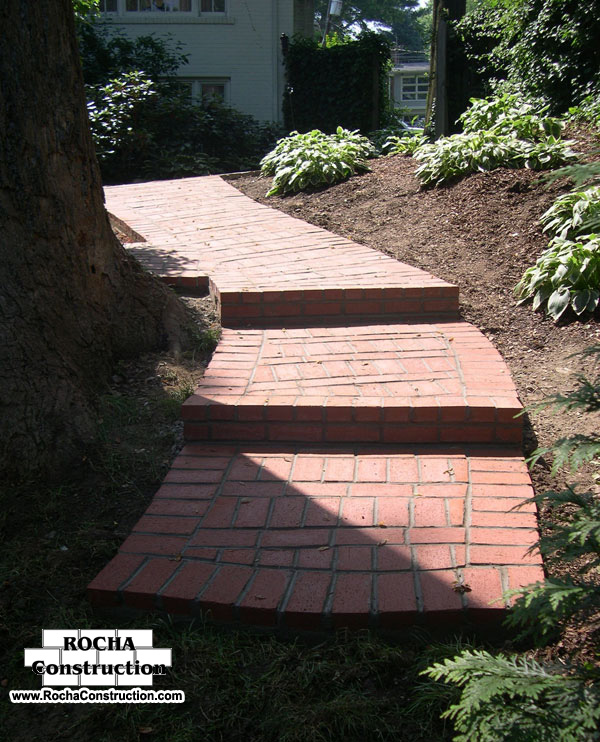
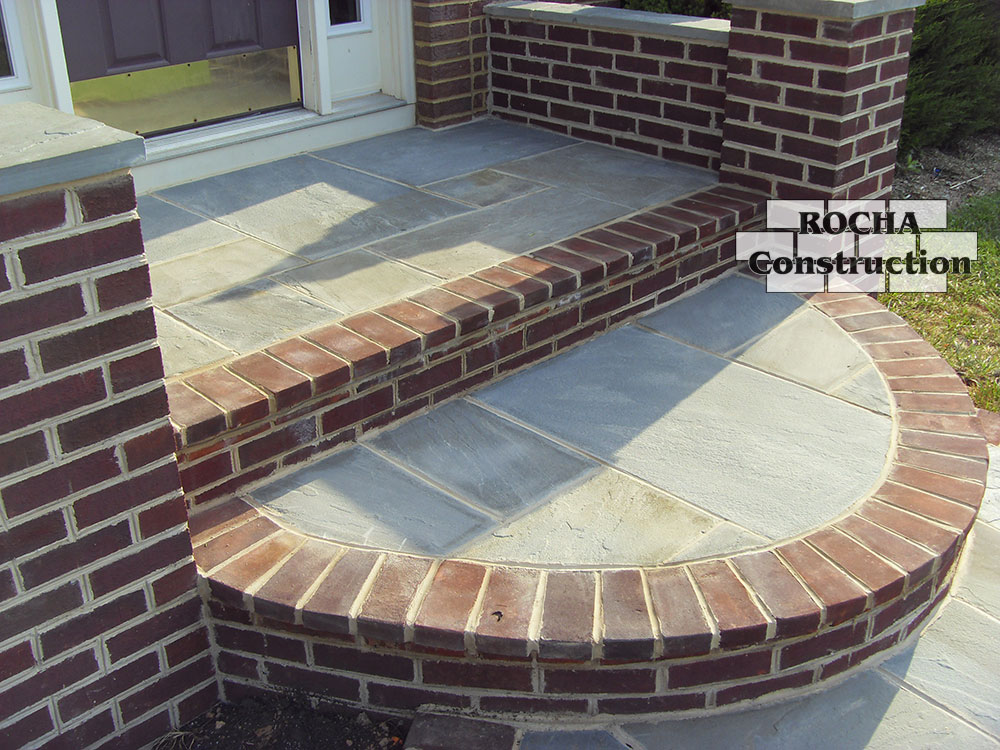
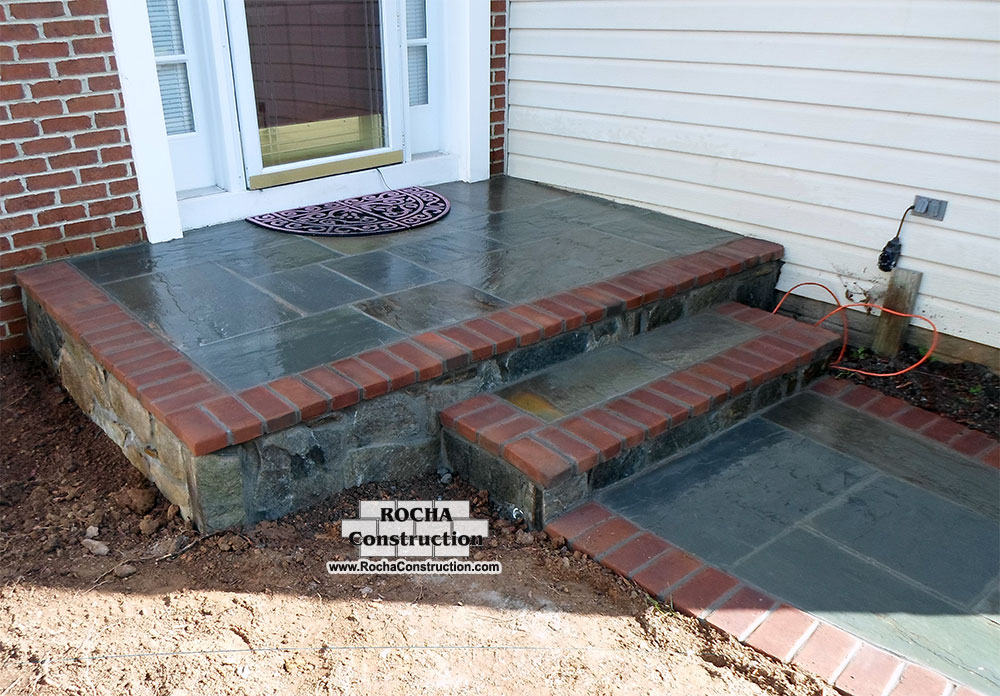
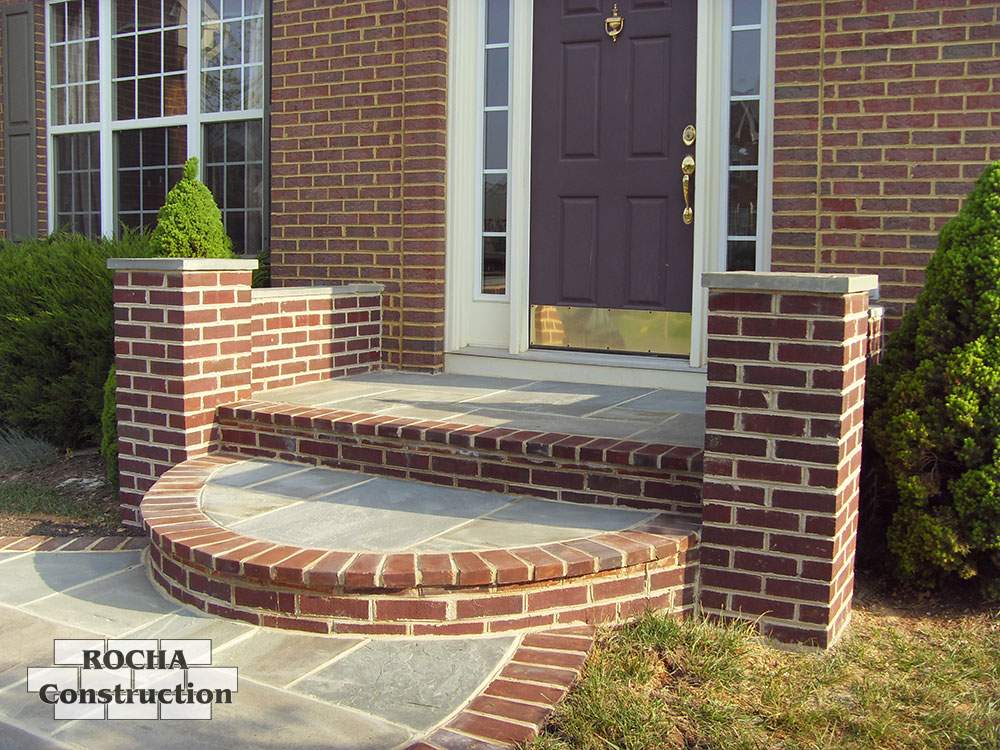
|
It is NOT allowed to use our pictures without our written consent. |
Brick Steps FAQ1. What are brick steps? Brick steps are outdoor steps made from clay bricks, commonly used in patios, gardens, and pathways for a classic and durable design. 2. Do brick steps require a foundation? Yes, a stable base such as compacted gravel or concrete footing is needed to prevent shifting, settling, or uneven surfaces. 3. Can brick steps be curved? Yes, brick steps can be designed in straight or curved layouts to complement patios, walkways, or landscape features. 4. How durable are brick steps? Brick steps are very durable and can last for decades if installed correctly, although they may require occasional repointing of mortar joints. 5. Are brick steps slippery? Brick can be slightly slippery when wet. Using textured bricks, rough surfaces, or non slip coatings improves safety. 6. Can brick steps be combined with retaining or seating walls? Yes, brick steps integrate well with brick walls, seating walls, and retaining walls to create cohesive outdoor designs. 7. Do brick steps require maintenance? Maintenance is minimal and includes occasional cleaning and checking for loose bricks or mortar deterioration. 8. Can brick steps be colored or patterned? Yes, bricks come in a variety of colors, textures, and patterns. Herringbone, running bond, and basket weave are popular designs for steps. 9. Can lighting be added to brick steps? Yes, low voltage or recessed lighting can be installed along brick steps to improve visibility and create ambiance. 10. Do brick steps increase property value? Brick steps enhance aesthetics and functionality, increasing curb appeal and contributing to overall property value. |