



CONCRETE STEPS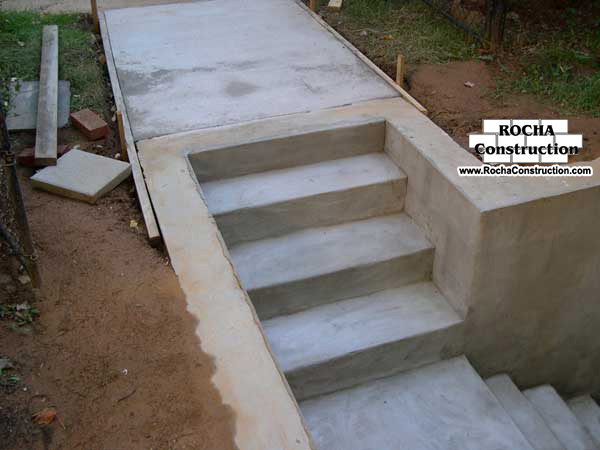
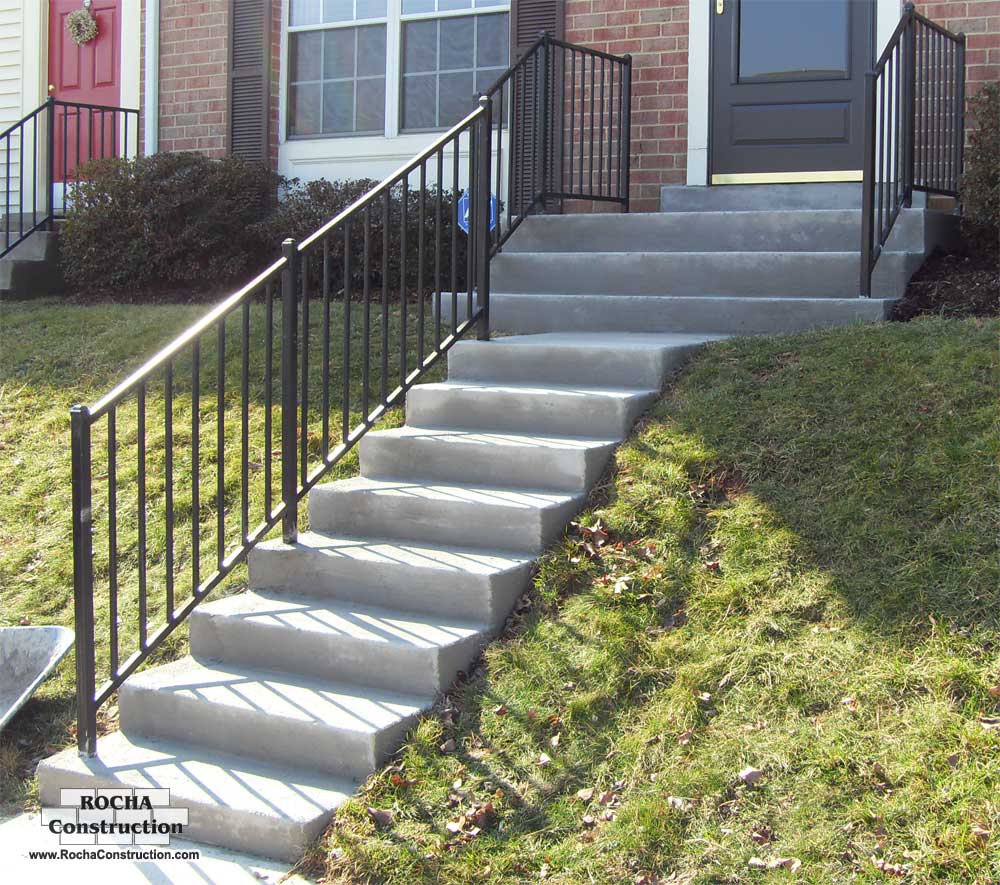
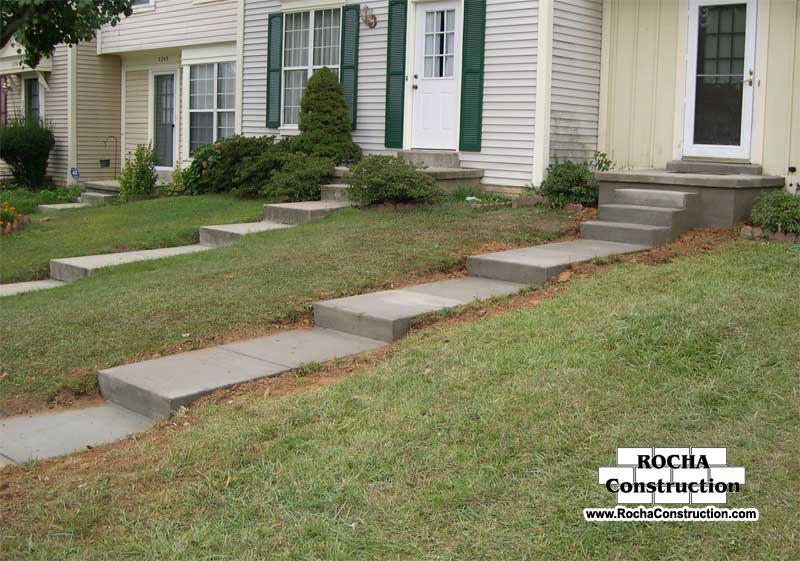
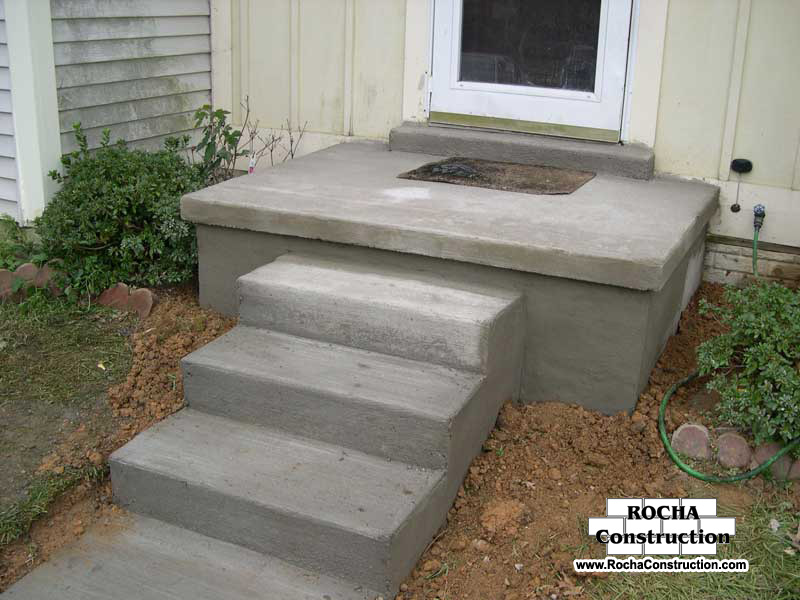
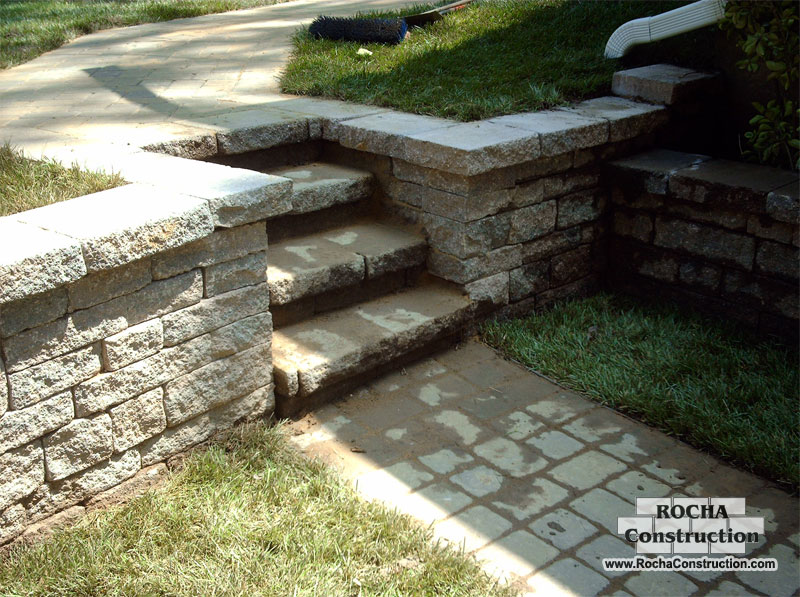
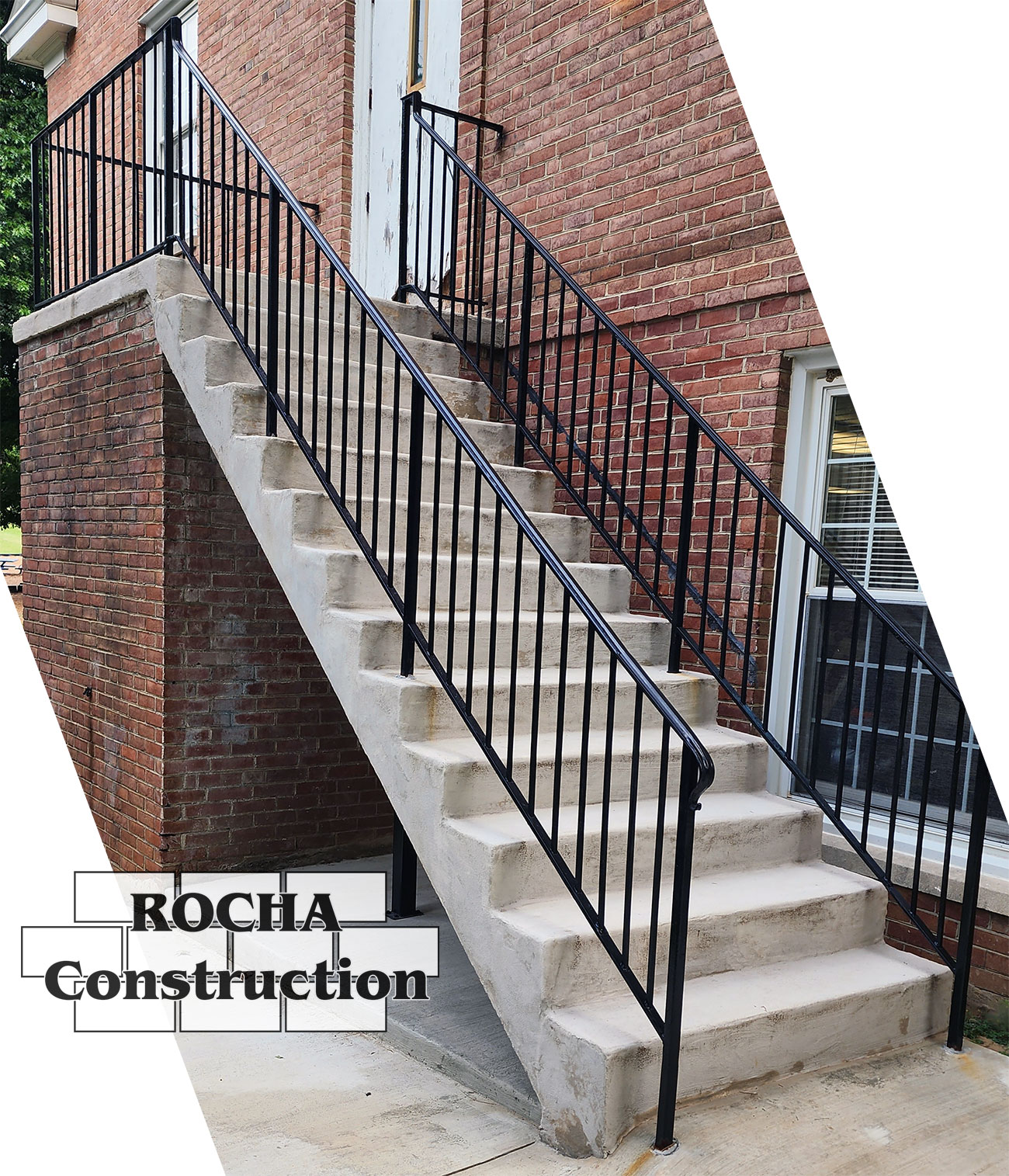
Concrete is the most popular material to build steps for the exterior of the house. Not only they are rather affordable, but they last much longer than wood or other cheaper materials. They also provide an infinite amount of options in terms of size, height and design. Unfortunatelly, concrete is a very unforgiving material that do not allows any kind of mistake. If the mixture is not correct, or the structure lacks the proper footing or reinforcement, a brand new set of concrete steps can show signs of damage within a few weeks. This is why, when asking for a quote, make sure that the contractor you select is going to reinforce the steps with wire and rebar. And its going to make the steps thick enough to support their own load. This is not a recomended DIY project... So, if you need a professional stone contractor to help you install or repair your steps, gives us a call. We offer free estimates for all Montgomery County, Maryland!! |
|
- GALLERY - It is NOT allowed to use our pictures without our written consent. |
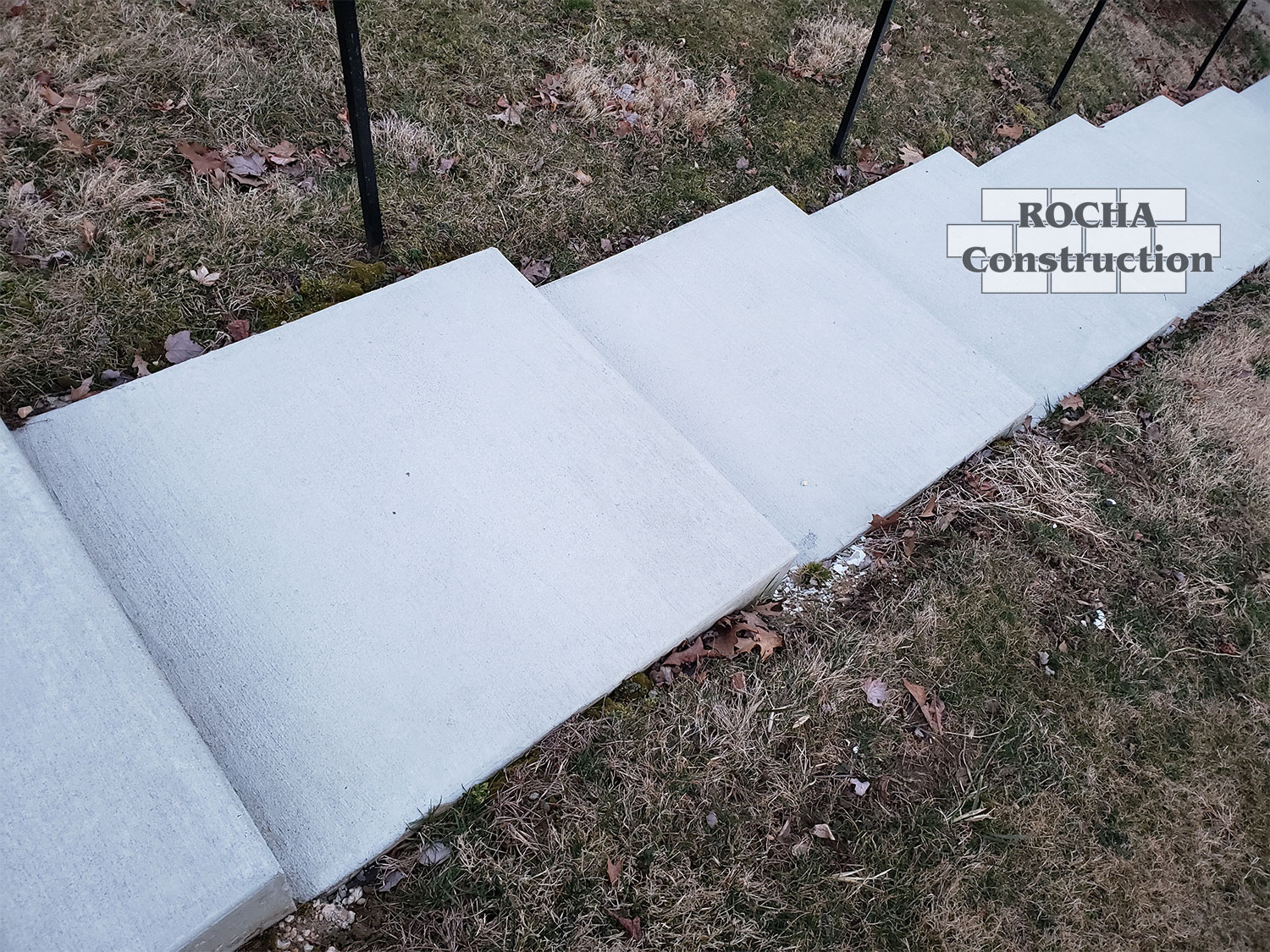
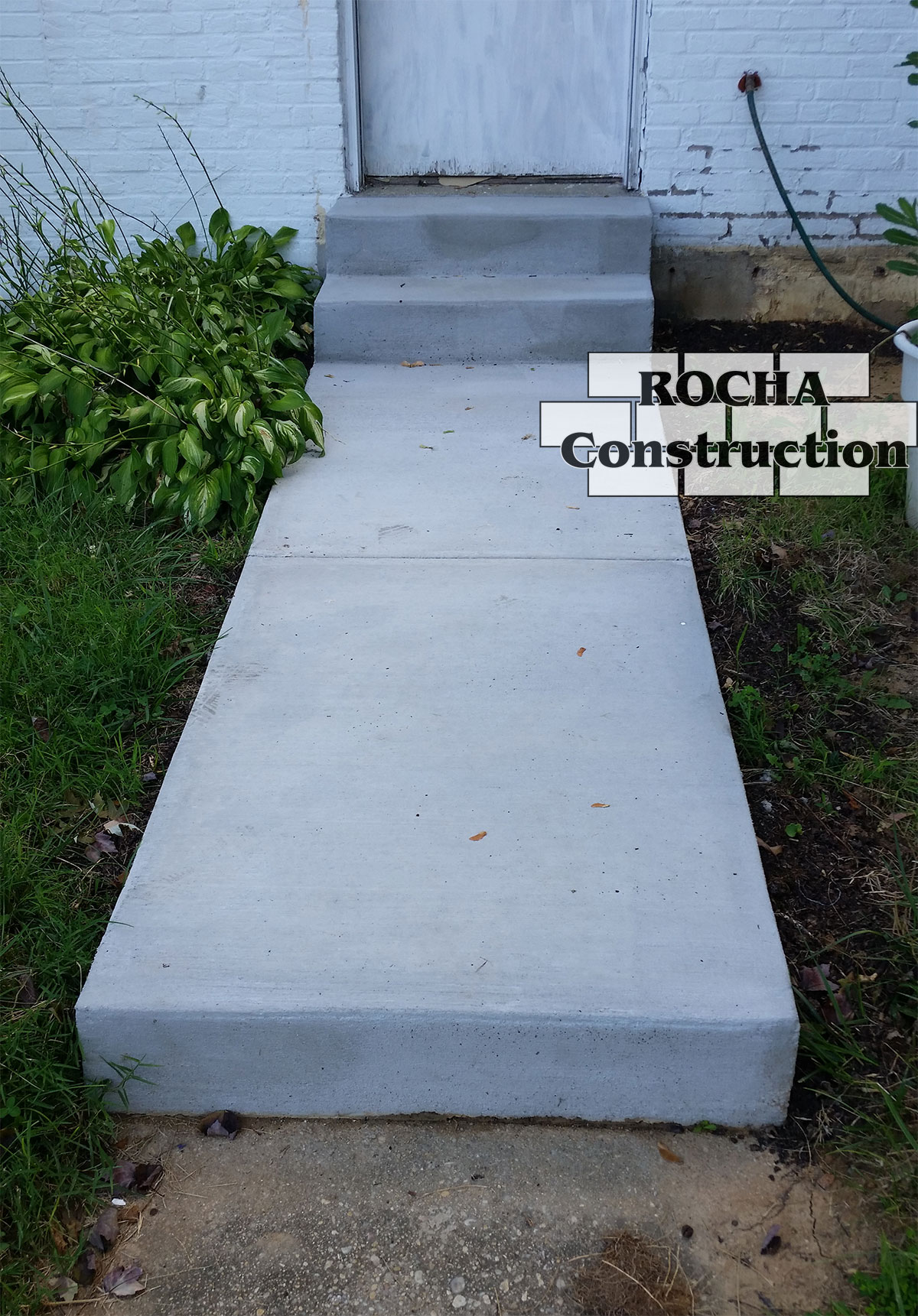
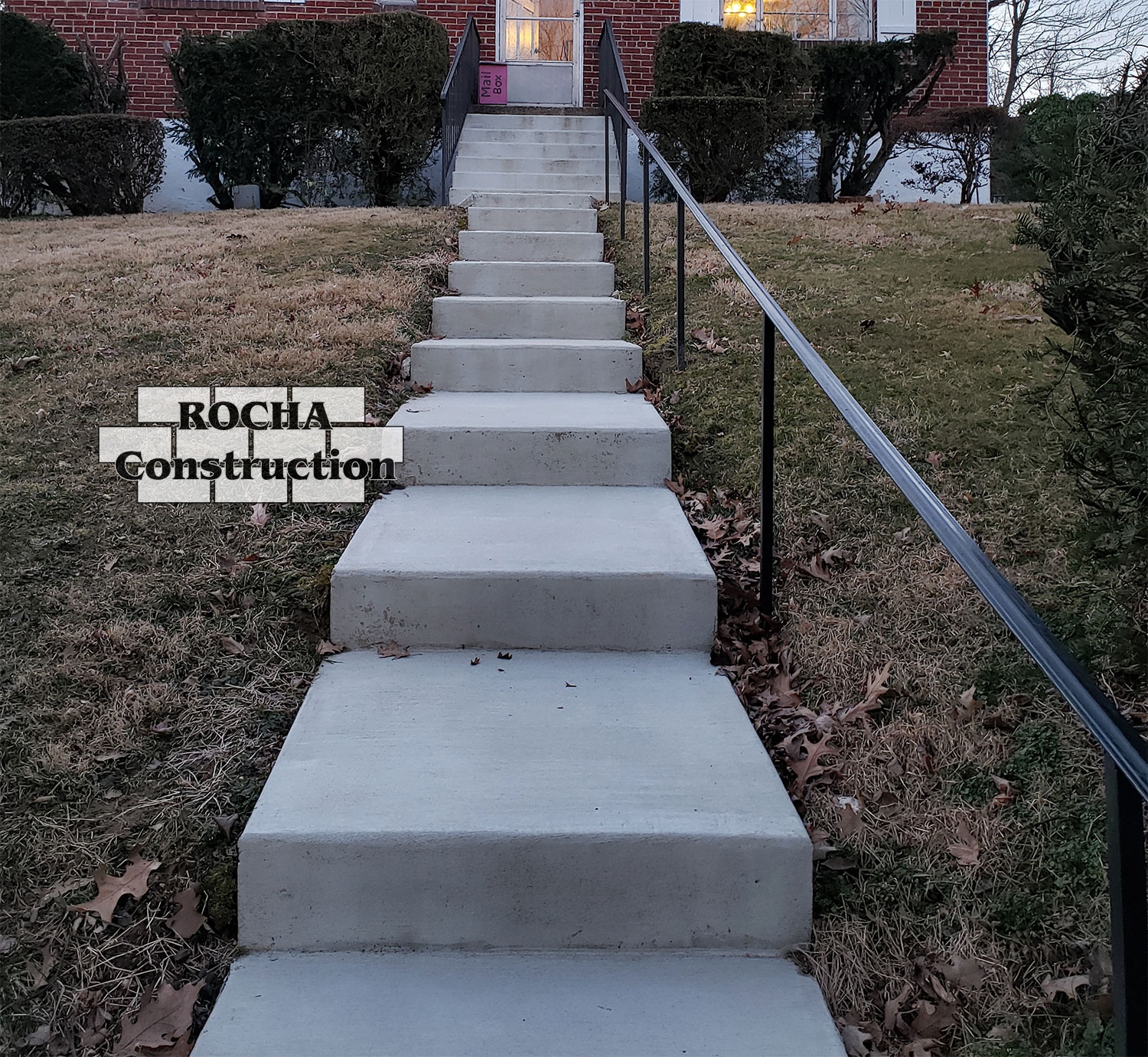
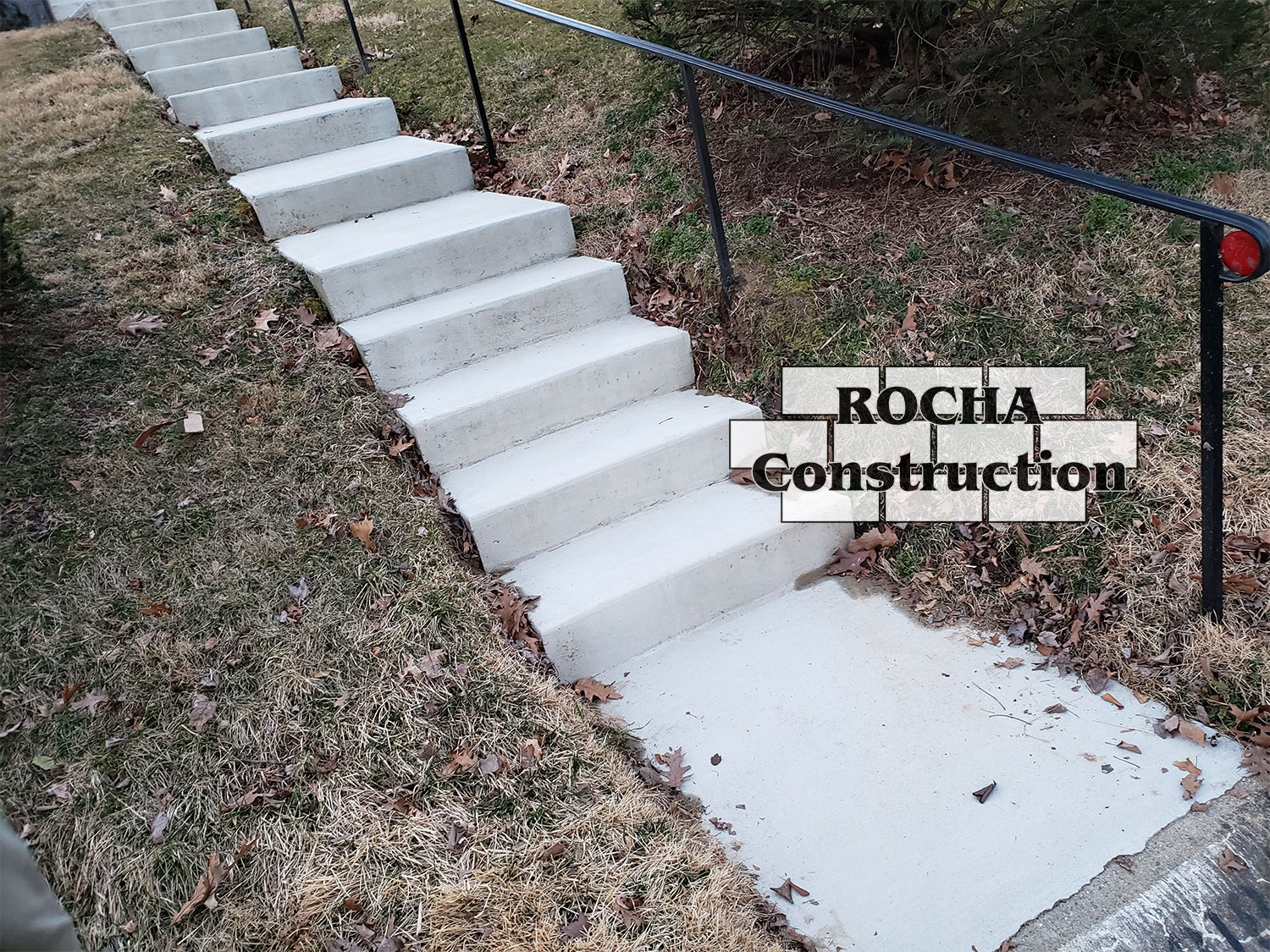
|
It is NOT allowed to use our pictures without our written consent. |
Concrete Steps FAQ1. What are concrete steps? Concrete steps are durable outdoor steps made from poured concrete or precast concrete units, used to connect different levels in patios, walkways, or yards. 2. What materials are used for concrete steps? Concrete steps are typically made from poured concrete, sometimes reinforced with rebar or wire mesh, and can be finished with textures, colors, or stamps to mimic stone. 3. Do concrete steps require a foundation? Yes, concrete steps require a solid compacted base or footing to prevent cracking or settling over time. 4. Can concrete steps be curved? Yes, concrete steps can be poured in curved shapes or designed in segments using precast units to match patios or landscape designs. 5. How durable are concrete steps? Concrete steps are extremely durable, resistant to weather and wear, and can last many decades with proper installation and maintenance. 6. Are concrete steps slippery? Plain concrete can be slippery when wet. Adding textures, broom finishes, or non slip coatings can improve safety. 7. Can concrete steps be combined with retaining walls or seating walls? Yes, concrete steps can integrate seamlessly with retaining walls, seating walls, or patio edges to create a cohesive outdoor design. 8. Do concrete steps require maintenance? Maintenance is minimal and may include cleaning, sealing to prevent stains, and checking for cracks over time. 9. Can concrete steps be colored or stamped? Yes, concrete can be stained, colored, or stamped with patterns to resemble stone, brick, or other decorative finishes. 10. Do concrete steps increase property value? Concrete steps enhance functionality, safety, and aesthetics in outdoor spaces, which can improve curb appeal and overall property value. |